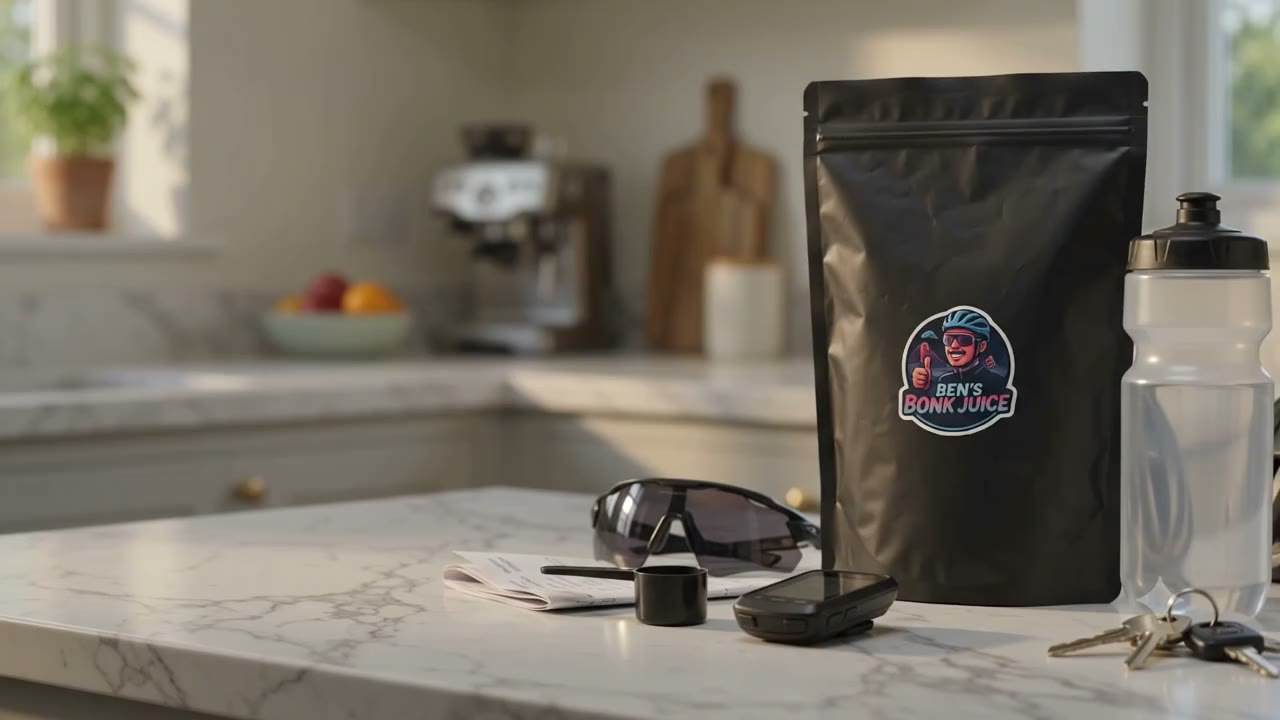
Endurance fuel,
without the markup.
New to it? Start with the 4-serving Travel Pack for $9. No subscription, no auto-ship.
Is it for you?
For going long — and now, for the gym.
It does two different jobs. On long efforts, it keeps you from running out of fuel. In the gym, it fuels the hard sets and recovery that drive results — carbs won’t build muscle for you, but they power the training that does.
Going long
Replace the carbohydrate you burn, so you don’t bonk.
- Long runs, rides, or games past about 60–90 minutes
- Hot days, or any effort where you've faded or cramped late
- Races and big training days where running out of fuel is the real risk
In the gym
Fuel the work that builds the muscle.
- Lifting and strength work — sip it through the session
- Keeps blood sugar up and perceived effort down, so you hit more quality sets
- Supports recovery between sessions, so you can train hard more often
New to it? One 4-serving Travel Pack ($9) covers your next few long efforts or gym sessions — one clean lime flavor, closer to light citrus water than a syrupy sports drink. The cheapest way to find out if it’s for you is nine dollars. (About the only time to skip it: easy, short stuff where you’re barely breaking a sweat — water’s plenty.)
The 80 / 20
Most of what you pay for in sports nutrition isn’t the nutrition.
We make one formula in two sizes, keep the operation lean, and price it by the gram instead of the logo. The science is the same as the expensive stuff. The bill isn’t.
What you’re paying for
- Carbohydrate that works: a 2:1 glucose-to-fructose blend, 30 g a serving
- 350 mg of sodium, citrate-balanced so it goes down easy
- A formula built on published sports-nutrition research
- Two honest sizes: a bulk bag and a travel pack
What you’re not
- A new limited-edition flavor every quarter
- Pro-team sponsorships and athlete endorsements
- Glossy boxes you open once and throw away
- The markup that pays for all of the above
Same core science the big endurance brands use — a 2:1 glucose-to-fructose blend with co-absorbed sodium — at a quarter to a third of their per-serving price. We’ll be straight: we use real sugar, not a patented hydrogel, and the dose and ratio are what the research is actually about. You’re skipping the marketing budget, not the science.
“Why not just mix it myself?”
You could — sugar, dextrose, and salt aren’t expensive. But getting the 2:1 ratio right, balancing the sodium with citrate so it stays gentle and near-isotonic, and having it pre-measured so you actually do it every time is the part we did for you — for about what the raw ingredients cost in small amounts.
Check the math
| Per serving | A long session | Catch | |
|---|---|---|---|
| Bonk Juice | $0.60 | ~$1.50–2.30 | Pre-measured, dialed ratio |
| Premium gels / mixes | $2–4 | ~$6–16 | Typical for name brands |
| DIY sugar + salt | ~$0.40–0.80 | ~$1–2 | You measure, mix, and hope |
“A long session” = 2–3 servings over a couple of hours. Premium ranges are typical category prices, not specific brands — check them against your own cart.
The whole label
Eight ingredients. You can pronounce all of them.
The carbohydrate is real sugar — cane sugar and dextrose — in the 2:1 glucose-to-fructose blend the research uses. No proprietary blends, no mystery maltodextrin, no fillers, no colors. If it’s not doing a job, it’s not in the bag.
Mixed as directed — one serving per 500–750 ml — that’s a 4–6% carbohydrate drink, close to your body’s own concentration, so it absorbs fast and sits light.
- Cane sugarGlucose + fructose — two of the carbs, from real sugar
- DextrosePure glucose — rounds the blend to the 2:1 ratio
- Sodium citrateMost of the sodium; keeps the drink near isotonic
- Sea saltA measured pinch — the rest of the sodium
- Citric acidA clean citrus tang so you'll actually drink it
- Potassium chloridePotassium — another salt you sweat out
- Magnesium malateA little magnesium, also lost in sweat
- Natural lime flavorOne flavor. That's the point.
The receipts
Not “trust us.” Here’s the actual science.
The 2:1 glucose-to-fructose blend uses two gut transporters (SGLT1 and GLUT5) to absorb more carbohydrate per hour; sodium is co-absorbed with glucose, pulling water in with it. That’s not our opinion — it’s established sports-nutrition research.
- Jeukendrup — Carbohydrate Intake During Exercise (Sports Medicine, 2014)
- King et al. — Glucose-Fructose & GI Tolerance (Leeds Beckett)
- Sodium Intake for Athletes: Review & Recommendations (Sports Medicine, 2025)
How to use it
Three steps. No ritual.
- 01
Scoop
One serving is 30 g of carbohydrate. Bulk bag at home, travel pack on the road.
- 02
Mix
Add 500–750 ml of water and shake. Citrate-balanced, so it tastes like water with a job to do.
- 03
Sip
Drink steadily through the effort. Trained athletes target 60–90 g of carbohydrate an hour.
Two sizes · One formula
Featured Products
Who’s behind it
A small operation, on purpose.
Bonk Juice isn’t a brand with a marketing department. It’s a tiny crew that got tired of paying four dollars for a gel that’s mostly sugar — so we made the honest version and priced it at about what it costs to make. No investors to repay with markup, no warehouse of flavors, no athletes on retainer. That’s the whole reason it’s cheap.
We’re new, so we’re not going to show you a wall of five-star reviews we haven’t earned yet. We’d rather you judge it on what’s actually checkable:
- The full ingredient label is right on this page — nothing hidden.
- The science is linked to real, published studies, not our say-so.
- We won't claim third-party testing or reviews until they're real.
- If your first bag isn't for you, email us for a refund — keep the bag.
Questions before you buy? A real person reads hello@bonkjuice.com — or read our full story.
Field notes
Practical fueling notes. No spam, no markup.
Carb-and-hydration tips drawn from the research, plus the occasional product note. A few times a year, that’s it.
Straight answers
The questions you’d actually ask.
- Do I have to be an endurance athlete?
- No. It does two jobs. For long efforts — runs, rides, games past about 60–90 minutes — it replaces the carbohydrate you burn so you don't bonk. It also earns its place in the gym: carbs during lifting fuel more quality sets, support recovery, and blunt the post-exercise cortisol spike (a real anticatabolic effect). We'll be straight, though — carbs won't build muscle on their own; pair them with protein. The science page lays out the lifting evidence, and its limits, with citations.
- Is it really as good as the premium brands?
- The carbohydrate science is the same: a 2:1 glucose-to-fructose blend at the dose the research uses, with sodium that's co-absorbed alongside it. We don't spend on flavors-of-the-month, team sponsorships, or packaging — so the price is a quarter to a third of premium, not the formula. Don't take our word for it: the full ingredient list and the studies are right on this page and the science page.
- Why not just mix sugar and salt myself?
- You can — the ingredients are cheap. What you're paying us for is getting the 2:1 ratio right, balancing the sodium with citrate so it stays gentle and near-isotonic, and having it pre-measured so you actually do it every time. At about 60 cents a serving, that's roughly what the raw ingredients cost in small amounts anyway.
- What's actually in it — and is there anything hidden?
- Eight ingredients, all listed on this page: cane sugar, dextrose, sodium citrate, sea salt, citric acid, potassium chloride, magnesium malate, and natural lime flavor. No proprietary blends, no mystery maltodextrin, no colors or fillers. The carbohydrate is real sugar — nothing exotic.
- Is it third-party tested? Who makes it?
- We're a small, new operation and we'd rather under-promise: the full ingredient list and the research are public, and independent third-party testing is on our near-term list — we won't claim it until it's done. You can read who's behind it and what we're still building on the About page.
- How much should I drink per hour?
- Trained endurance athletes generally target 60-90 g of carbohydrate per hour on long efforts. That's one to three servings of Bonk Juice an hour, depending on intensity and how much you've trained your gut. Build a specific plan with the fueling calculator.
- Why a 2:1 glucose-to-fructose ratio?
- Glucose and fructose are absorbed through different transporters in your gut (SGLT1 and GLUT5). Splitting the carbohydrate across both pathways is designed to move more total carbohydrate per hour with less of the GI distress that can come from leaning on glucose alone.
- Will it taste salty with 350 mg of sodium?
- It's formulated not to. The sodium is citrate-balanced, which keeps the flavor clean and the osmolality close to isotonic - so it goes down more like water than a sports drink, even hours in.
- What's the difference between the two products?
- Same formula, different format. The 50-Serving Bulk Bag is your everyday training supply; the 4-Serving Travel Pack is single-serve and race-bag friendly. Both are 30 g carbohydrate and 350 mg sodium per serving.